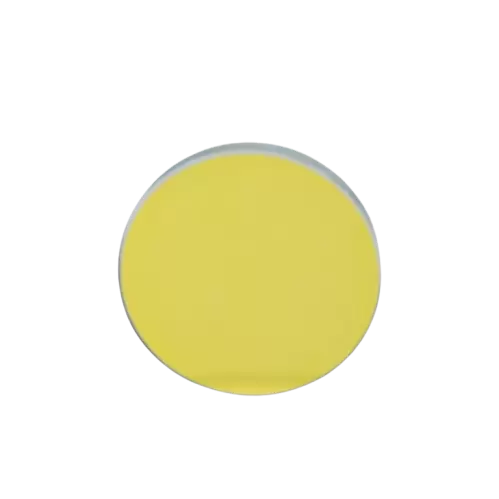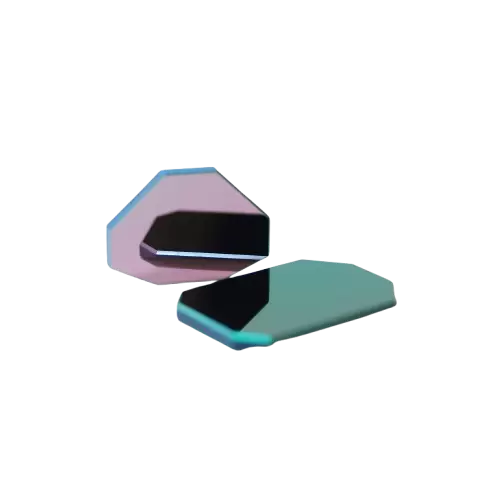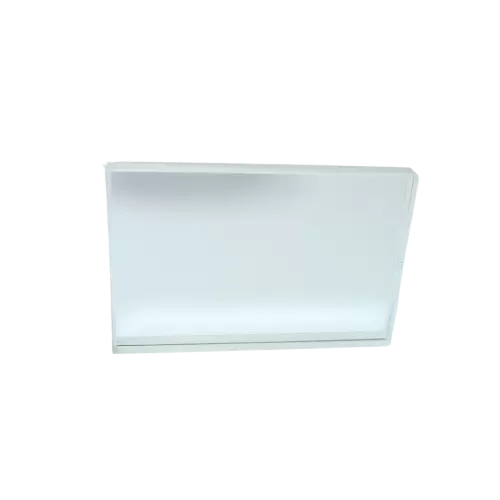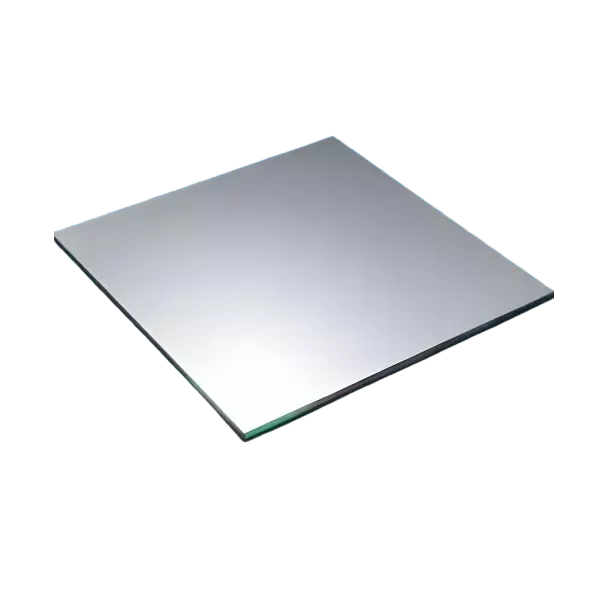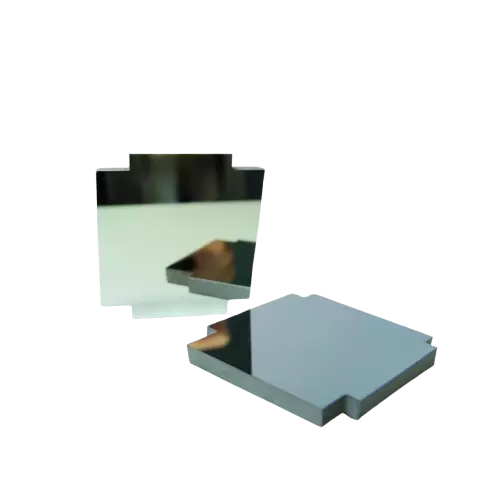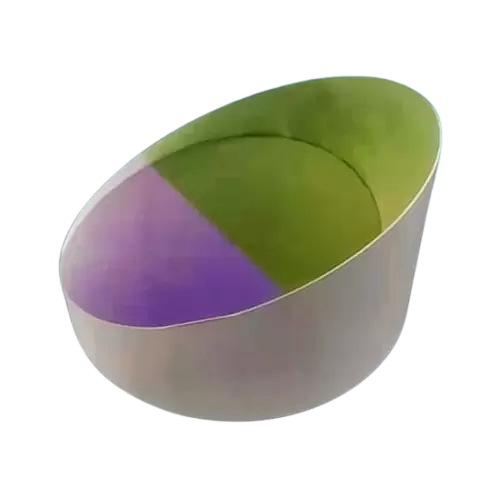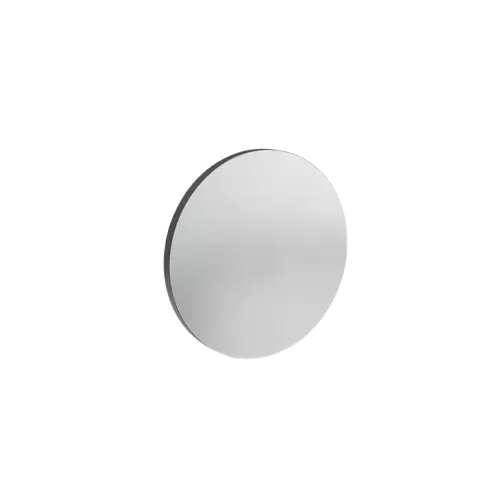
은거울은 화학적 또는 물리적 방법을 이용하여 광학 기판(일반적으로 유리) 표면에 순은층을 증착한 후 보호층으로 덮어 만든 거울의 일종입니다. 산화되는 경향이 있음에도 불구하고, 은거울은 탁월한 반사율 덕분에 특정 분야에서 여전히 선호되는 소재입니다.

-Substrate: Usually optical glass (such as K9, fused silica, etc.), requiring a high surface finish and no defects. -Underlayer: Sometimes a layer of other metal (such as copper) is deposited first as a bonding layer to enhance the adhesion between the silver layer and the glass. -Silver Layer: The core functional layer, formed through physical vapor deposition (PVD).
Silver is heated and evaporated or sputtered onto the substrate in a high vacuum environment. This method can obtain a purer, denser, and higher-performance silver film for use in high-end optics.
To overcome the problem of silver's easy oxidation, one or more protective films must be covered on top of the silver layer. Dielectric Protective Film: In the optical field, a transparent, chemically stable dielectric thin film, such as SiO₂ (silicon dioxide) or Al₂O₃ (alumina), is deposited. These films can effectively block moisture and corrosive gases, extending the life of the lenses.
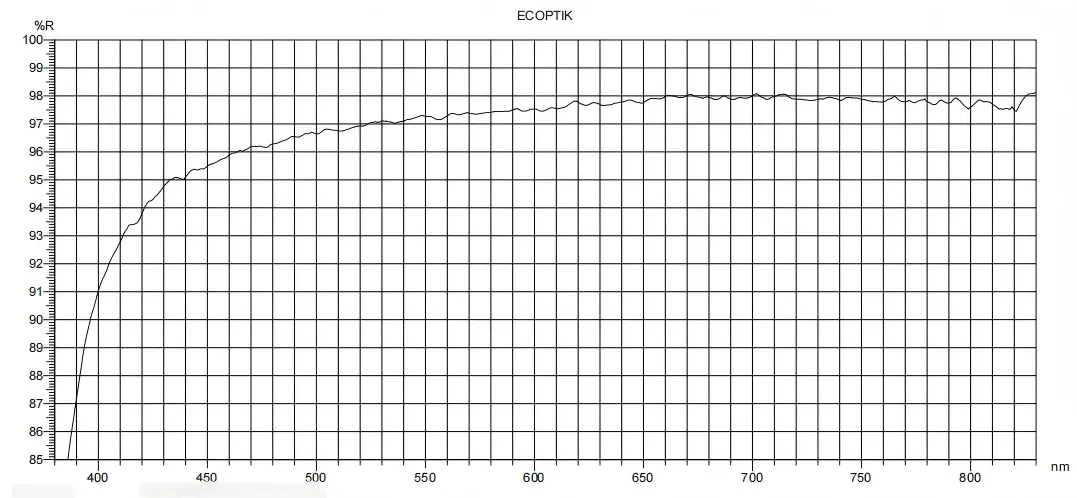
1. Highest reflectivity in the visible light range. 2. Extremely high reflectivity in the near-infrared band, superior to aluminum. 3. For the same reflectivity, silver mirrors can be made simpler (fewer layers) than dielectric film mirrors.



 en
en